// HOW WE GOT HERE
A Short History of Vape Flavors
It's easy to forget how narrow this category used to be. Today a single August wave can bring 22 new flavors across three device lines; twenty years ago the entire industry offered two: tobacco and menthol. The road between those two points explains a lot about why new flavors drop the way they do in 2026.
2003–2007: Invented to taste like cigarettes
The modern e-cigarette was invented in 2003 by Hon Lik, a Chinese pharmacist looking for an alternative to the cigarettes that had killed his father. It reached the Chinese market in 2004 under the Ruyan brand and landed in the US and Europe around 2006–2007 as slim "cig-a-like" devices. Flavor was an afterthought — the entire point was imitating a cigarette, so cartridges came in tobacco and menthol, and the imitations weren't very good.
2008–2014: Refillable tanks open the flavor floodgates
The pivotal shift wasn't a flavor at all — it was hardware. Refillable clearomizers and tank systems separated the device from the liquid, and suddenly anyone with food-grade flavor concentrates could bottle an e-liquid. Independent juice makers piled in, and the category discovered what it actually wanted to taste like: not cigarettes. Fruit blends, custards, bakery flavors and candy profiles took over shelf space in the vape shops that were opening on every corner. This is the era most people mean when they ask when vaping became popular — the hobbyist mod-and-tank scene of roughly 2012 to 2015.
2015–2018: Nicotine salts and the pod era
Nicotine-salt e-liquid, commercialized with the first pod systems in 2015, made higher nicotine strengths smooth enough to be palatable and shrank devices back down to pocket size. Flavor-wise the pod era consolidated the field: mango, mint and a handful of fruit-ice profiles did enormous volume, and "ice" — a menthol-cold finish layered under a fruit — graduated from niche trick to default expectation.
2019–2022: The disposable boom
When flavored pod cartridges came under federal restriction in early 2020, self-contained disposables — which the policy treated differently — became the flavor category overnight. Puff-count competition started immediately: 300 puffs, then 1,500, then 5,000, with rechargeable batteries and mesh coils arriving mid-cycle. Flavor menus ballooned from a half-dozen options per device to twenty or more, and the iced-fruit blend became the industry's center of gravity.
2023–2026: Smart screens, 50K puffs and the edition drop
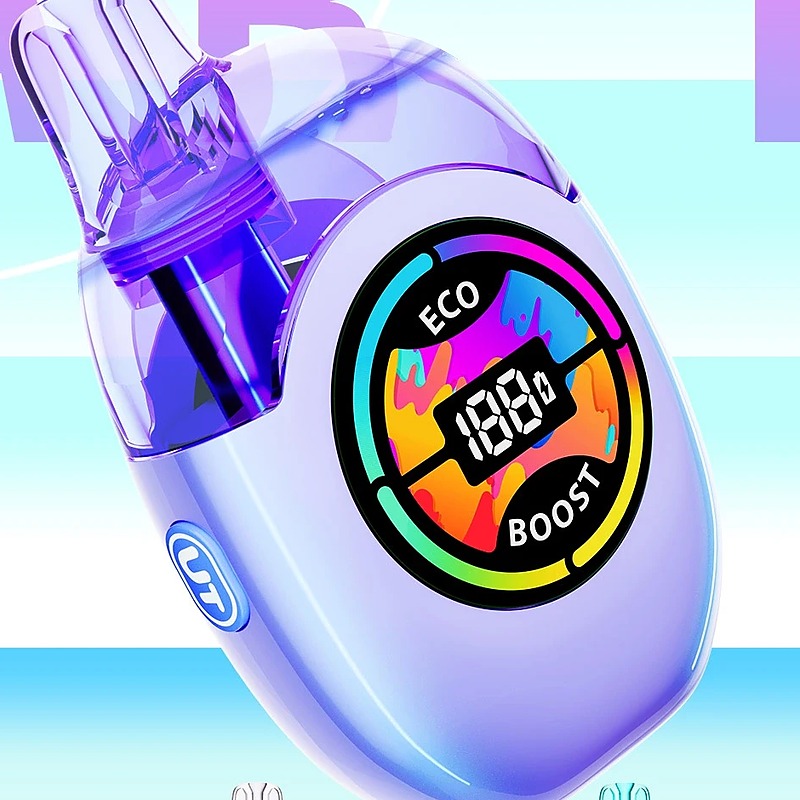
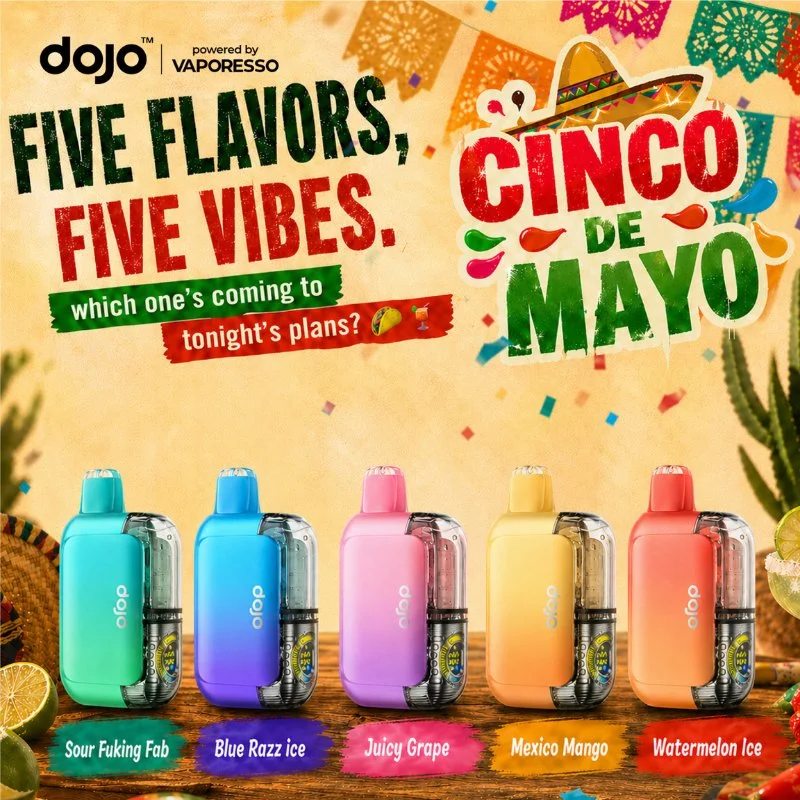
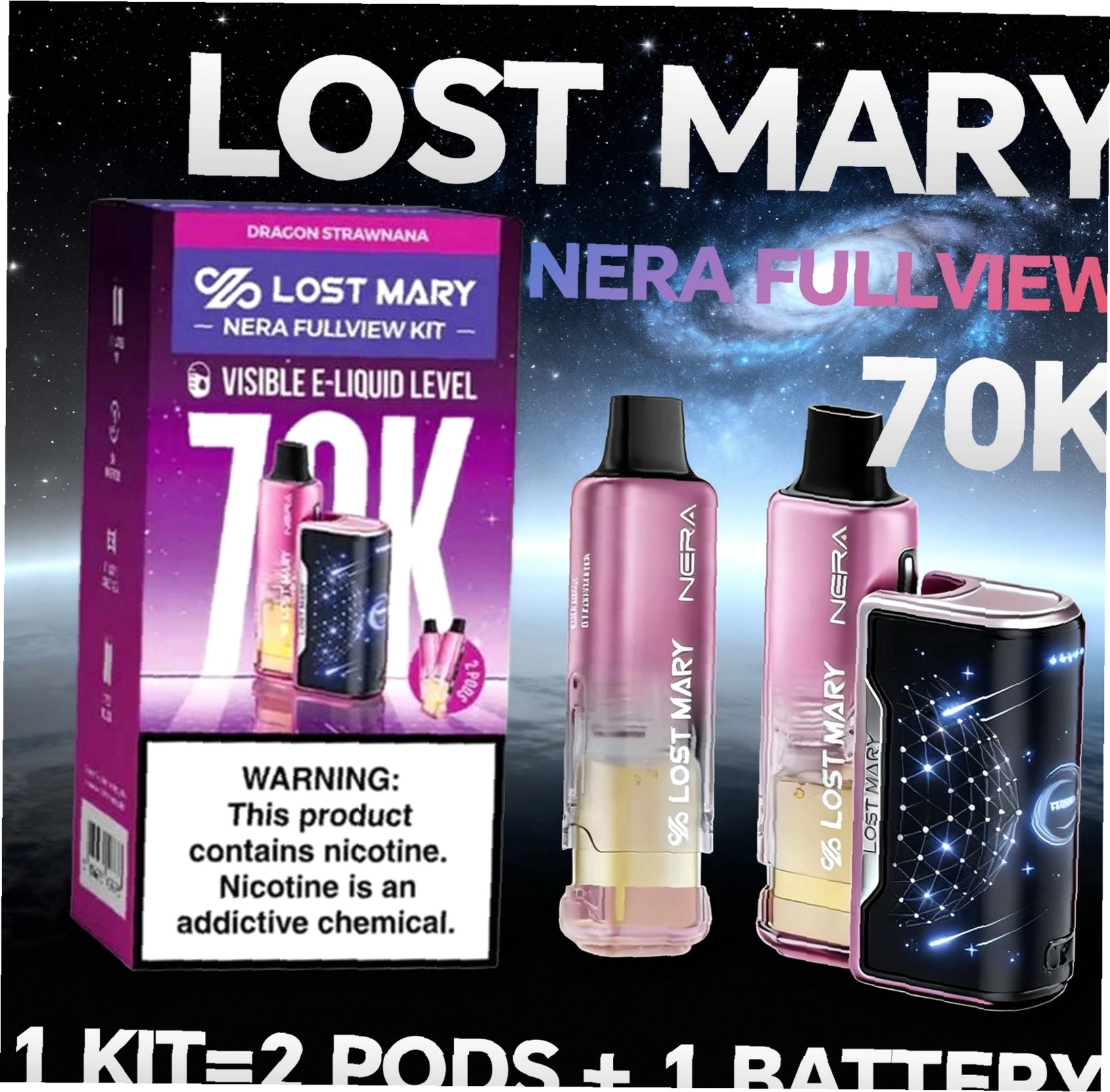
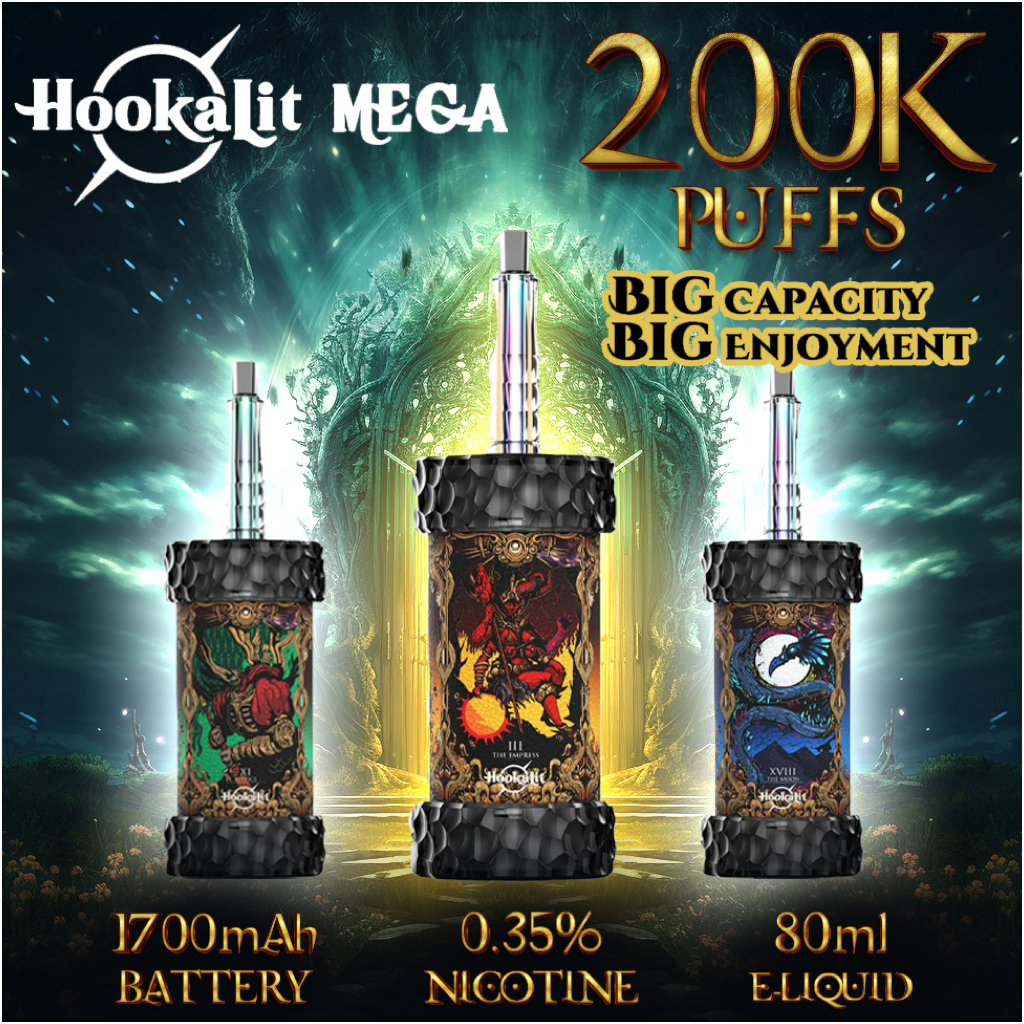
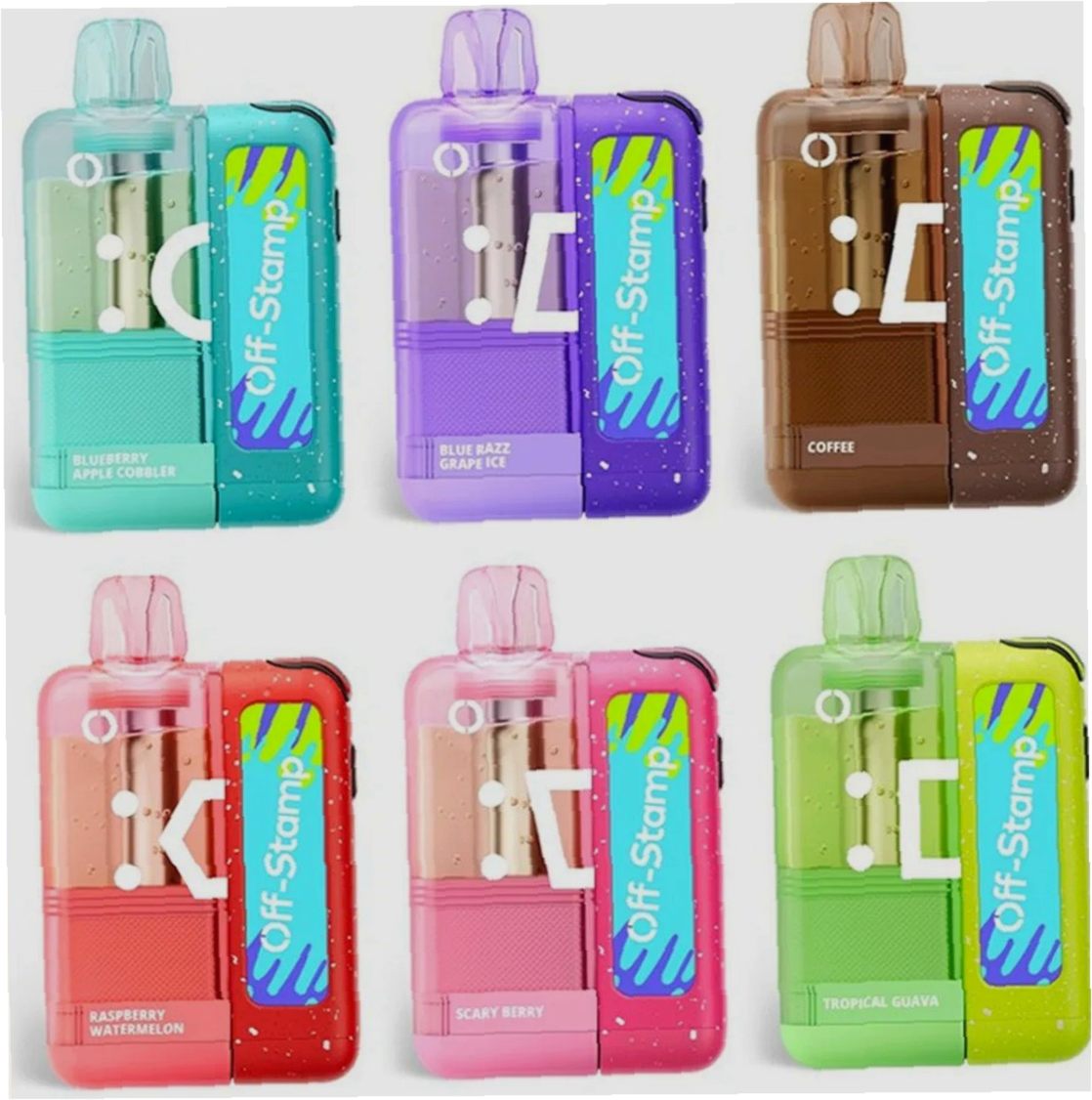
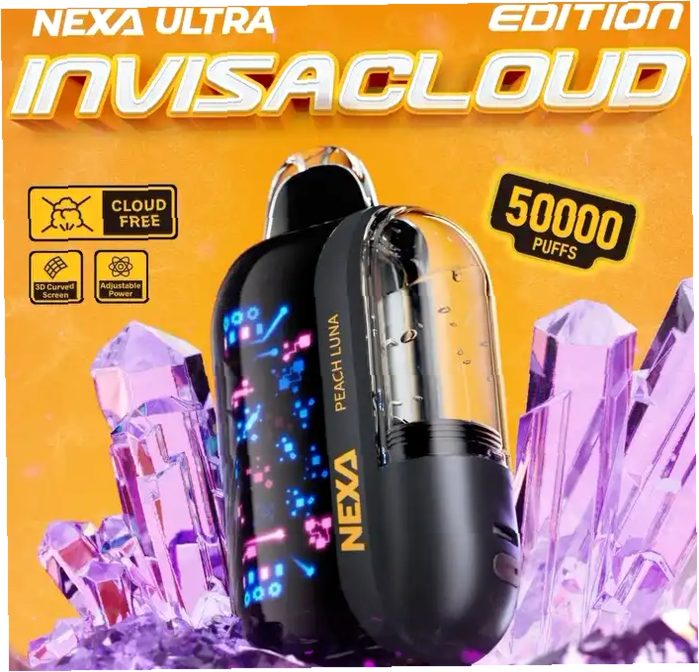
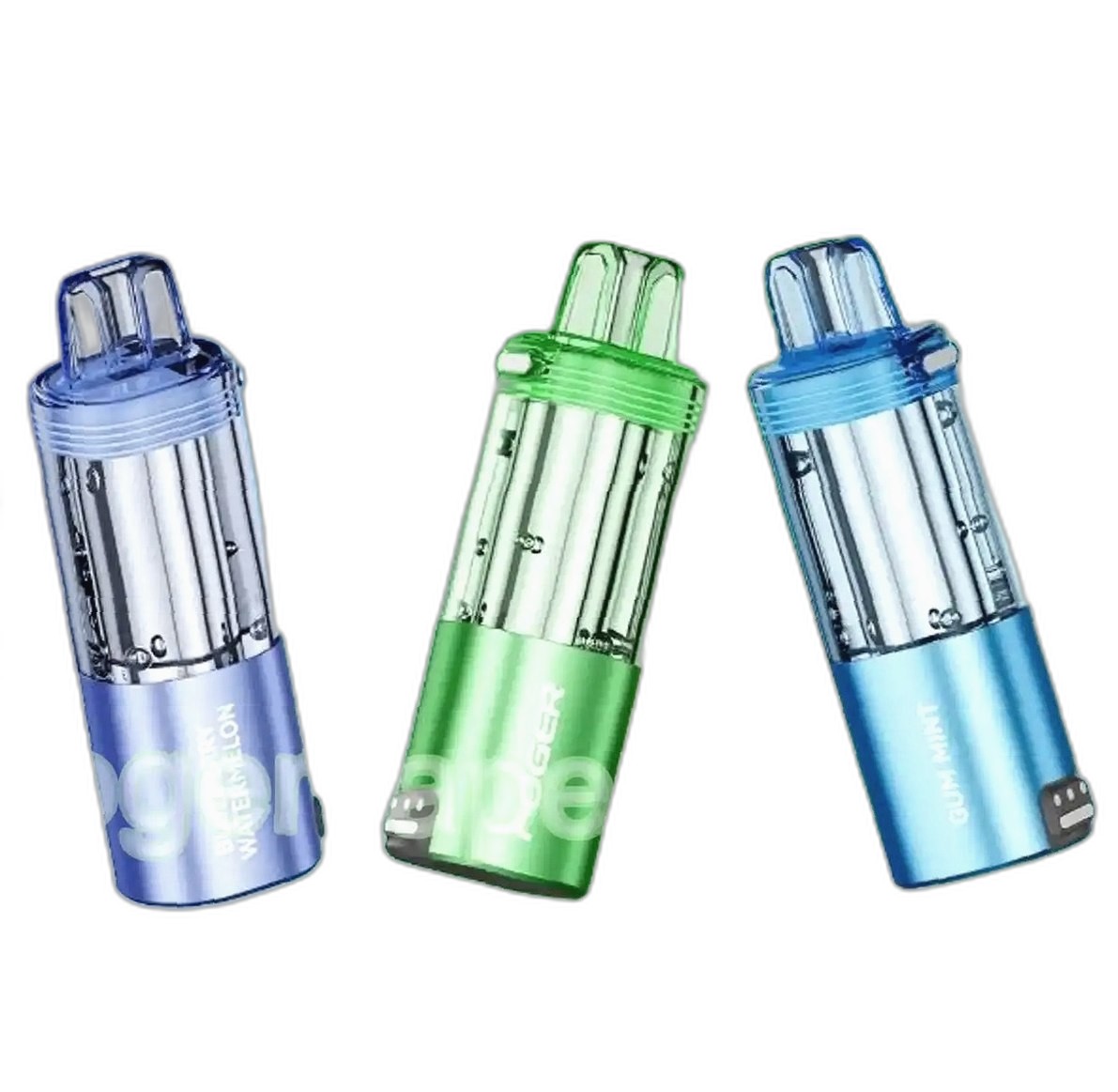
The current era is defined by scale and cadence. Devices carry displays, boost modes and dual-mesh coils; advertised capacity climbed through 15,000 puffs to today's 50K-and-up flagships. And flavor releases now behave like product launches in their own right: brands ship themed multi-flavor waves — a seven-flavor pod drop, a five-flavor edition built around a single base like blue raspberry, a ten-flavor roster expansion — rather than trickling out one flavor at a time. That cadence is exactly why this page exists: drops are frequent, deliberate and worth tracking.
- 2003Hon Lik invents the modern e-cigarette in China; Ruyan sells it from 2004. Tobacco and menthol only.
- 2006–07Cig-a-likes reach the US and Europe.
- 2008–14Refillable tanks + independent e-liquid makers → fruit, dessert and candy flavors explode.
- 2015Nicotine salts and pod systems; fruit-ice becomes the default profile.
- 2019–22Disposable boom; puff counts race from 300 to 5,000+; 20-flavor menus become normal.
- 2023–26Smart screens, 50K-puff flagships, and themed multi-flavor edition drops — the era this page tracks.